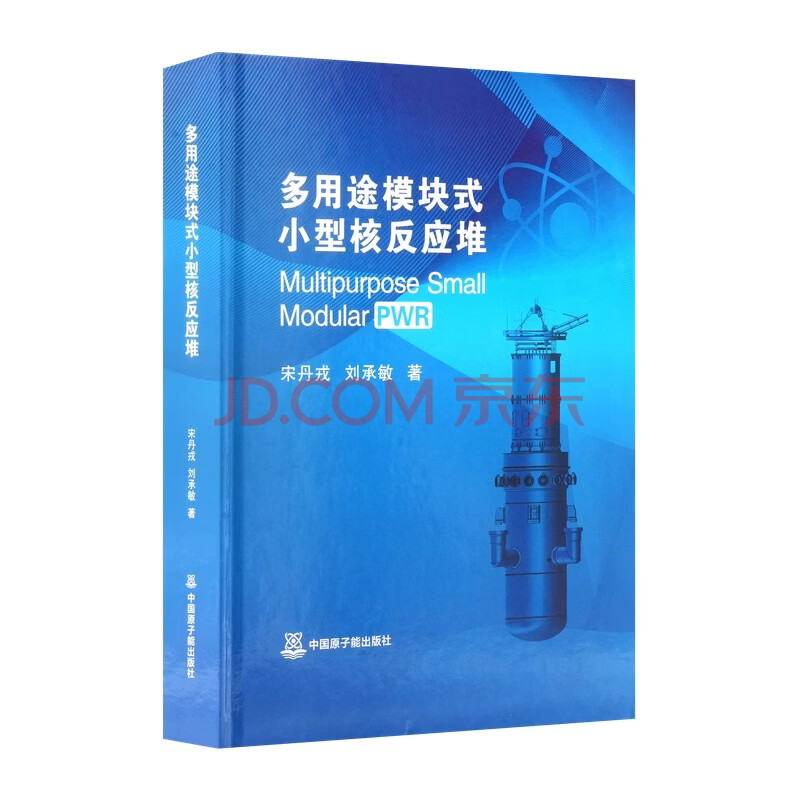
内容简介
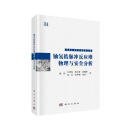
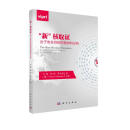
《多用途模块式小型核反应堆:英文》作为《Multipurpose small modular PWR》丛书的一部分,全面探讨了小型模块式核反应堆(SMRs)的定义、发展背景、技术特点及其在全球范围内的应用前景。书中首先介绍了SMRs的起源及其在全球核能需求增长背景下的重要性,强调了其在提升核能安全性、经济性和缩短建设周期方面的潜力。
《多用途模块式小型核反应堆:英文》从技术、经济和安全三个维度深入分析了SMRs的发展趋势与挑战。其中,技术部分重点介绍了SMRs的核心设计概念、主要特征及其在全球范围内的研发进展,包括中国在ACP100项目上的突破性进展。经济分析部分则探讨了SMRs的成本效益、市场应用潜力以及优化经济性的策略,特别针对ACP100项目进行了详细讨论。安全分析部分则聚焦于SMRs的安全评估方法、应急规划区的确定以及公众接受度研究。
此外,《多用途模块式小型核反应堆:英文》还详细阐述了ACP100的设计原理、技术参数及其安全防护体系,分析了其在核能领域的示范作用。通过系统性地梳理SMRs的技术路线、发展路径及未来规划,《多用途模块式小型核反应堆:英文》旨在为行业专家、政策制定者及核能从业者提供全面、客观的参考,助力SMRs的技术创新与市场推广。
《多用途模块式小型核反应堆:英文》不仅为SMRs的进一步研发提供了理论支持,也为核能行业的可持续发展提供了重要参考,具有较高的学术价值和实践意义。
目录
Chapter 1 Overview 1
1.1 Definition of SMRs 1
1.2 Development background of SMRs 2
1.3 Applications of SMRs 5
Chapter 2 Basic Design Concepts and Main Characteristics of SMRs 12
2.1 Basic design concepts 12
2.2 Main characteristics 13
Chapter 3 Development History and Current Status of SMRs 20
3.1 Types and main technical features of SMRs 20
3.2 Development History and Current Status of SMRs in Foreign Countries 27
3.3 Development history and current status of SMRs in China 48
Chapter 4 Development Directions of SMR Technologies 55
4.1 Key challenges of SMRs 55
4.2 Discussion on SMR assessment methods 60
4.3 Application of new manufacturing and construction technologies 65
4.4 Analysis of technology development routes 71
4.5 Development roadmap for SMRs in China 74
Chapter 5 Economy Analysis of SMR Market Applications 78
5.1 Overview of cost-effectiveness of nuclear energy 78
5.2 Factors affecting nuclear energy investment and construction cost 79
5.3 Comparison of theoretical power generation cost of LMRs and SMRs 82
5.4 Discussion on economy optimization of ACP100 83
5.5 Considerations for cost-effectiveness improvement and development of SMRs 89
5.6 Discussion on the economy of heat supply with SMRs 90
5.7 Discussion on improving the economy of SMRs 90
Chapter 6 Safety Analysis of Small Modular Reactors 93
6.1 SMR review 93
6.2 Determination of emergency planning zone, exclusion area boundary, and planning restricted area 97
6.3 Research on mechanistic source terms 108
6.4 Public acceptance 119
Chapter 7 Overall Scheme of ACP100 121
7.1 ACP100 design and R&D process 121
7.2 Design principles and technical features of ACP100 122
7.3 Main technical parameters 126
7.4 Defense-in-depth design of ACP100 129
7.5 Strategies for safety and licensing of ACP100 130
7.6 Test and verification of ACP100 131
Chapter 8 Reactor Core 134
8.1 Core overview 134
8.2 Nuclear design of core 138
8.3 Thermal-hydraulic design 150
8.4 Fuel assemblies and associated components 152
Chapter 9 Reactor Body and Main Components 160
9.1 Reactor body 160
9.2 RPV 163
9.3 Control rod drive mechanism (CRDM) 170
9.4 Reactor internals 175
9.5 Integrated reactor head structure 181
Chapter 10 Reactor Coolant System 187
Chapter 11 Safety System 210
Chapter 12 Nuclear Auxiliary Systems 246
Chapter 13 Instrumentation and Control Systems 289
Chapter 14 Electrical System 340
Chapter 15 Steam and Power Conversion System 371
Chapter 16 Turbine Generator Set 385
Chapter 17 Radiation Protection and Siting 403
Chapter 18 Preliminary Safety Assessment 429
Chapter 19 Demonstration Project Overview 468
前言/序言
With the advancement of nuclear technology and a resurgence in global interest, nuclear power has entered a new stage characterized by batch development and technological upgrading in many countries around the world. Given the substantial demand for nuclear energy in both the electric and non-electric markets, the development of large nuclear power units alone is insufficient to meet the broad applications of nuclear energy. Consequently, small modular reactors (SMRs) with disruptive technology, enhanced safety, good economic efficiency, and shorter construction cycle, have emerged.
Since 2003, the Nuclear Power Institute of China has been exploring new reactors and research reactors to address the emerging needs in nuclear desalination and nuclear heating markets. In 2010, China National Nuclear Corporation (CNNC) initiated a dedicated research program for the ACP100 SMR. In April 2016, the ACP100 became the world’s first SMR to successfully complete the general safety review by the International Atomic Energy Agency (IAEA). In 2020, the preliminary safety analysis report for the ACP100 SMR demonstration project at Changjiang, Hainan Province, was approved by China’s National Nuclear Safety Administration. In July 2021, this demonstration project officially began its construction.
Based on the proven pressurized water reactor (PWR) technology, the ACP100 adopts the “integrated” reactor design and the “passive” safety system, elevating its safety to the technical level of Gen III nuclear energy systems. This book primarily serves the following purposes: explaining the concept of SMRs and their developments worldwide; providing a comprehensive and objective analysis of the development trends and routes of SMRs; offering suggestions on China’s SMR development roadmap; outlining the main technical features of SMRs, and discussing the assessment methods and potential applications of SMRs. Our goal is to provide readers,industry professionals, and policymakers with a thorough, objective, and systematic understanding of SMRs, thereby removing any uncertainties related to SMR decisionmaking.