内容简介
扑灰年画约起源于明代初期,全国仅山东潍坊高密一地生产,它以独特的绘制技法和挥洒自如的艺术风格,成为中国民间年画中的一朵奇葩,在年画史上占有重要的历史地位。
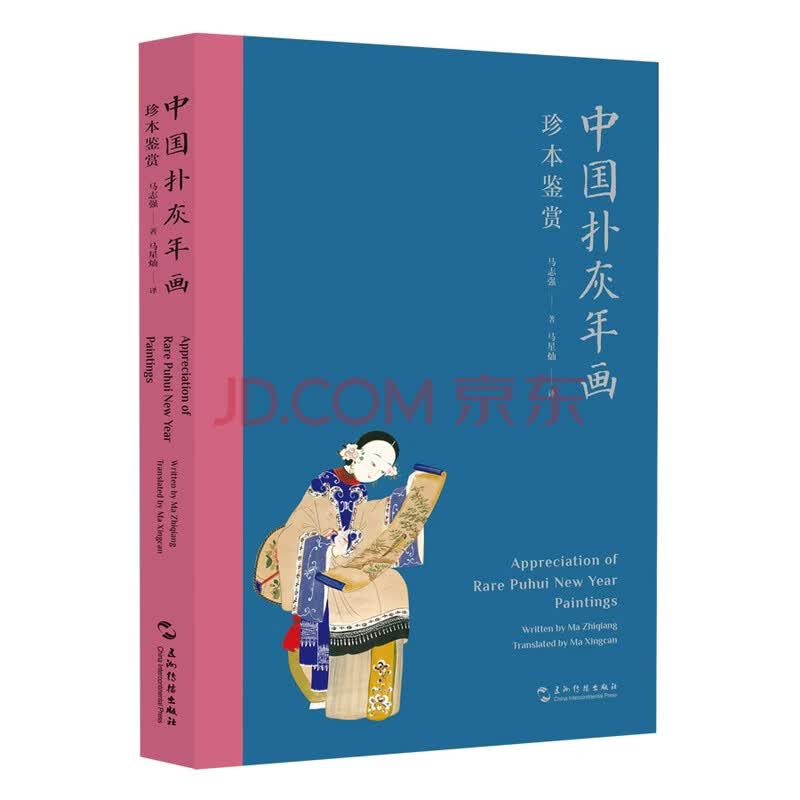
此次出版的《中国扑灰年画珍本鉴赏》,是中国首部扑灰年画专集,收录了清代、民国时期的扑灰年画珍本300余幅。题材内容丰富多彩,涉及神圣仙佛、民俗生活、戏文故事、美人童子、山水花卉等诸多方面。这些作品全面系统的展示了了扑灰年画的起源、发展及不同历史时期的艺术特色,从不同角度反映了当地的民风民俗及社会生活,具有极高的鉴赏及研究价值。
PThe puhui New Year painting is a distinctive folk art that originated in the early Ming dynasty and is produced exclusively in Gaomi, Weifang, of Shandong Province. With its unique painting techniques and unrestrained artistic style, it shines as a brilliant flower in the garden of Chinese New Year painting and holds a significant place in the history of this art form.
The Appreciation is the first published collection of puhui New Year paintings, including over 300 works from the Qing dynasty and the Republican period. These paintings cover a diverse range of genres, such as Buddhas, deities, immortals, social customs, daily life, drama stories, beautiful women, children, landscapes, and flowers, among others. They systematically showcase the origin, development, and artistic characteristics of puhui art across various historic periods, while also offering different perspectives on local culture, social customs, and daily life, making them valuable for both appreciation and research purposes.
目录
前言Preface
神圣仙佛Gods, Buddhas, Deities, and Immortals
美人童子Beautiful Women and Children
民俗生活Daily Life and Social Customs
戏曲故事Drama Stories
四季花鸟Birds and Flowers in Four Seasons
附录1Appendix 1
附录2Appendix 2
后记Afterword
前言/序言
扑灰年画,中国年画的一朵艺术奇葩
中国的民间年画,起源于汉,发展于唐,成熟于北宋,繁荣于明清,至清代后期达到鼎盛阶段,彼时全国有一百五十余处年画产地。这些年画产地生产的年画,主要有手绘年画、木版套印年画、半印半绘年画等,而产生于山东潍坊高密的扑灰年画,以其独特的绘制技法和挥洒自如的艺术风格,成为中国年画中的一朵奇葩。扑灰年画产地主要集中在高密北乡姜庄镇、夏庄镇一带三十多个村庄,当地曾有三百余家画店。所谓扑灰年画,即用柳枝烧灰,描线作底稿,一次扑印多张,继而在印出的线稿上进行手绘的年画创作。
扑灰年画起源
扑灰年画约起源于明代中期,早期画店已无实物可考。据《高密县志》(十一卷,清康熙四十九年刻本)“岁时民俗”一节中记载:“季冬之月……厥除夕,洒扫堂室,设馔,易门神、桃符,写春联……”由此可见,扑灰年画彼时已成为当地人生活中不可或缺的一部分。
清朝初期,高密出现了有堂号、落款的画店。据高密夏庄镇东风村《张氏家谱》和姜庄镇棉花屯村《唐氏家谱》记载,依靠年画起家的画店有同顺李记、聚顺永、兴隆、祥盛、洪元等十几家。清代乾隆至咸丰年间,是扑灰年画发展的成熟时期,年画作坊遍及高密三十几个村庄,从业者众多,仅姜庄镇东王家城子一地,就有年画作坊二百余家,形成了很大的生产规模,销售到了江苏徐州,山东临沂、烟台,天津杨柳青以及内蒙古等地。
这一时期,扑灰年画成熟的标志还体现在题材内容的进一步丰富上。从神像到美人童子、民俗生活、戏曲故事, 以及山水花卉,涉及了更多方面。
清代道光年间,是扑灰年画的鼎盛时期,扑灰年画的画风形成了两大派系。一是以传统画“墨屏”为主,以水墨为主色调,石青、石绿、白粉、胭脂、槐黄等诸色在画面中仅起到画龙点睛的作用,因而构成了古朴典雅的绘画风格。二是以色代墨的“红货”年画,大红大绿,追求画面的红火热烈,以适应民俗节日的需求,得到了老百姓的喜爱。因无法与制版印刷的新年画技术竞争市场,扑灰年画至光绪年间开始衰落。
扑灰年画的制作技艺
扑灰年画,是一种手绘写意年画。它的制作方法是:先用木炭研磨成粉并掺以米汤,调成一定浓度,再用毛笔蘸炭灰起稿于纸,俟干后即成粉本。再把粉本覆到正稿上轻轻按摩粉本背面,粉本上的炭末便扑印到正稿上。一张粉本要扑印五六幅正稿,粉本的用途类似杨家埠年画中的线版。起稿、扑灰后,再加手绘,经落墨(勾线)、粉脸(粉手)、开脸(圈脸)、熏脸、涮脸手、乌眼(点睛)、开眉眼、立眼(粉眼)、点嘴、丝发(耙头发)、上色、涮道(染道)、涮花、磕花、描粉画金、耙胡子(搂胡子)、罩明油、刷边裁边等20多道工序,才能完成一张扑灰年画。
早期的扑灰年画,多以水墨为主,施以淡色,典雅秀丽,人物形象优美生动,线条豪放流畅。清末及民国时期,由于国外化工颜料大量进入年画市场,扑灰年画的颜色越来越艳丽,大红大绿,以色为主。当地的顺口溜说:“红绿大笔抹,世上好销货,庄户墙上挂,吉祥又红火。”
扑灰年画的题材
扑灰年画的题材十分广泛,从神圣仙佛、美人童子到戏文故事、民俗生活及山水花卉。扑灰年画始于庙宇壁画,后过渡到“族影”“家堂”“财神”“八仙”等神像类年画。
族影、家堂,也称堂谱、悬挂式家谱、族谱,由家谱和影两部分组成。族影,是家祠中存放的大幅家堂,记载着一个宗族的先世祖宗。家堂则是记载一个家庭中故去的先祖。据乾隆五十六年(1791 年)重修的《高密张氏族谱》记载:“今阅百余年旧稿,所存无几,卓少时见,家祠存昔时‘家堂’一轴,氏祖上下悉载”。族影和家堂是扑灰年画中尺幅最大,造价最高,绘制最为富丽堂皇的画子,且与各家各户的关系最为密切,每年初一悬挂祭拜,初三放下来谓之“落影”。
据说族影起源于元末,最初为工笔手绘。绘制一张族影约需半年至一年时间,花费巨大。明清时期采用扑灰技法绘制,提高了绘制的速度,同时也促进了扑灰年画的发展。清代绘制族影的高手有“胡记”画店的胡玉显,“祥盛合”画店的孙进章,兴隆画店的唐绍书、唐永照,“曾顺”画店的胡锡琪,“顺聚永”画店的王增杰等。
美人童子类的年画,是最受人们喜爱的,销量也最大,一般都是成双成对,当地俗称“对美”。美人有读书的、习墨的、踢毽子的、吹箫的,还有织网兜的。画一对美人加童子的,即为“母子图”。童子手捧石榴、西瓜的,寓意多子多福。童子手捧柿子的,寓意“事事如意”。童子手执莲花、牡丹的,寓意“连年有余”“富贵当头”等。童子骑麒麟的,母亲则为天仙,谓之“麒麟送子”。美人图中人物的服饰也极具时代特色。清代早期的扑灰年画中,美人一般都穿明代沿袭下来的汉服,低领、宽袖、马面裙。清代中后期,扑灰年画中的美人都穿高领、窄袖的长衫和窄裤,下露“三寸金莲”。
民俗生活和戏文故事类的年画,也有很多精彩之作。如反映一年四时生产劳动的《渔樵耕读》,寓教于乐的《琴棋书画》。在《回娘家》《咕噜子锯大缸》等年画中,年画艺人甚至把走街串巷,锔盆子、锔碗、锔大缸的“咕噜子匠人”都纳入其中,可见观察生活之细腻,反映生活之全面。戏文故事年画中的《白蛇传》《牛郎织女》《文王聘贤》《苏武牧羊》《董卓戏貂蝉》《伯牙与子期》等,都是人们耳熟能详、喜闻乐见的题材。
清代中后期,扑灰年画不仅畅销高密,而且销往山东的烟台、临沂,江苏的徐州、内蒙古,甚至远销东北等地。同时还有胡记、增盛、顺聚永、同顺李记、祥盛、兴隆、万顺和等40 多家画店到沈阳、天津、徐州、莱州、大连等地设庄卖画。“设庄卖画”是扑灰年画兴盛时期的一种销售形式,根据各个地区的需求情况,年画艺人直接到当地租赁房子,从事年画的生产和销售。
扑灰年画的艺术风格
扑灰年画一般用整开纸作画,俗称“大挂画子”,以人物为主。其艺术特色概括起来主要有两点:一是狂放的写意风格,二是细腻的工笔特点。民间顺口溜:“刷刷刷,一溜栽花。大刷狂涂,描子勾拉。细心粉脸,眉眼巧画。待要好看,咸菜磕花”。前两句主要描述了扑灰年画绘制的进度和挥洒自如的画风。一个画工,一天必须画出40 张画子,否则要被辞退。人物从衣服到头发,全是单色抹刷,连轮廓线也是一笔抹下,其狂放的写意风格在这里得到充分体现。顺口溜的后两句主要描述了扑灰年画精雕细琢的工笔特色和装饰效果。扑灰年画中的人物,“细
心粉脸,眉眼巧画”,即在脸的部位先用白粉色颜料画出洁白的脸型,再细腻、巧妙地勾画眉眼、五官,再敷彩、涂明油,使人物脸部透明细嫩,生动传神,给人强烈的真实感。特别是画中的姑娘、媳妇,白皙的粉脸、柳眉凤眼,含情脉脉、妩媚动人。如绘于清代的《洞箫横吹》中,一大家闺秀,坐在桌旁,屈膝露出三寸金莲,手执竹笛,徐徐吹来,表现出大家闺秀儒雅恬静的气质和含蓄多情的内心世界。人物表情优美自然,服饰线条细腻流畅。
扑灰年画在构图上,注意突出人物形象的高大丰满,少用背景甚至省略背景,让人物占满画面,形成二度空间透视的平面构图,具有一定的醒目效果。人物基本画完之后,要在服装上印一些美丽的图案。将咸菜晒干刻上图案,根据不同的人物进行装饰,使人物更加生动、美丽,即“咸菜磕花”。为了提高绘制速度、增强装饰效果,年画艺人还创造了“鸳鸯笔”(将一支羊毫笔分成一粗一细两个笔锋,固定后,可同时绘制粗细两条并行线),“排线笔”(多支毛笔胶固排在一起)和不同型号的“涮笔”,用来绘制服装衣饰,平涂颜色。画诀中记载:“用什么样的色,使什么样的笔,笔笔顺手不犯愁。
大摆子涂,小虎爪涮,金针细描不马虎。若嫌慢,双笔齐下,撇叶、染花两不误。”这些工具的使用,为扑灰年画“兼工带写”风格的形成创造了条件。
《中国扑灰年画珍本鉴赏》,是中国首部扑灰年画作品集,书中的扑灰年画都是清代和民国时期绘制的,是笔者三十多年的收藏成果。这些作品全面系统地展示了扑灰年画的起源、发展及不同历史时期的艺术特色,从不同角度反映了当地的民风民俗及社会生活,具有极高的鉴赏及研究价值。
马志强
2022 年10 月30 日
写于潍坊杨家埠木版年画院
Puhui New Year Paintings:A Unique Bloom in the Tradition of Chinese New Year Painting
Chinese folk New Year paintings originated in the Han Dynasty (202 BC-220), developed in the Tang Dynasty (618-907), flourished in the Northern Song Dynasty (960-1127), and matured in the Ming and Qing periods (1368-1911). It reached its peak in the late Qing Dynasty (during the late 19th century to the early 20th century), with more than 150 production centers established across the country. The works produced in these regions mainly include hand-painted New Year paintings, multicolor woodblock prints, paintings combining printing and hand coloring, and puhui New Year paintings.
Among them, the puhui (“ash-patting”) New Year paintings of Gaomi, Weifang stand out as a unique bloom in the tradition of Chinese folk New Year painting, renowned for their distinctive techniques and free, expressive style. Puhui New Year paintings are primarily concentrated in more than thirty villages in northern Gaomi, including Jiangzhuang and Xiazhuang, with over three hundred workshops. The term puhui refers to a technique in which willow branches are burned into ash and used to create an outline draft. This draft is transferred onto paper by patting, producing multiple impressions at once, after which artisans complete the images with hand painting.
The Origins of Puhui New Year Paintings
Puhui New Year paintings are believed to have originated in the late 15th century, though no physical evidence of the earliest workshops has survived. According to the Local Records of Gaomi County (Vol. 11, a woodblock edition dated to the 49th year of
the Kangxi Reign of the Qing Dynasty, i.e. 1710), in the section “Seasonal Customs,” it is recorded: “In the last month of the year… on New Year’s Eve, households sweep and clean their halls, prepare offerings, replace the door gods and peachwood charms,
and write Spring Festival couplets…” This suggests that puhui New Year paintings had already become an indispensable part of local people’s life.
Painting workshops in Gaomi with identifiable studio names and signatures began to appear in the early Qing dynasty. More than a dozen workshops that made their livelihood through New Year painting production, including Tongshun Liji, Jushunyong, Xinglong, Xiangsheng, and Hongyuan. From the mid-18th century to the mid-19th century, puhui New Year paintings reached maturity. Workshops spread across more than thirty villages in Gaomi, employing large numbers of artisans. In Dongwangjiachengzi village, Jiangzhuang Town alone, there were over two hundred workshops, resulting in large-scale production. Their products were distributed widely to regions such as Jiangsu Province, Shandong Province, Tianjin, and even Inner Mongolia.
A key indicator of the maturity of puhui New Year paintings was the expansion of subject matter. In addition to deity images, puhui New Year paintings expanded to include depictions of beautiful women and children, scenes of everyday life and social
customs, stories from traditional opera, as well as landscapes and flowers, involving many aspects of life.
From the mid-19th century, puhui New Year paintings reached their peak. During this time, two major stylistic schools took shape. One centered on the traditional moping (“ink-panel”compositions), dominated by ink tones, with mineral blue, mineral green, white, rouge, and gamboge used sparingly as accents, resulting in a restrained, archaic elegance. The other, known as honghuo (“bright colors”), used color in place of ink, featuring bold reds and greens and emphasizing a festive, vibrant effect. This style catered to the needs of popular festivals and was widely favored of the common people.
Unable to compete in the market with the newly emerged block-printed New Year paintings, the scraping-paste New Year painting began to decline the late 19th century to the early 20th century.
The Production Techniques of Puhui New Year Paintings
Puhui New Year paintings are a form of hand-painted, xieyi (interpretive and freely expressive) style New Year painting. The production process begins by grinding charcoal into powder and mixing it with rice gruel to achieve a suitable consistency. Using a brush dipped in this charcoal mixture, the artist sketches a draft on paper; once dried, this becomes the fenben (powdered cartoon). The fenben is then laid over the final sheet, and its back is gently rubbed so that the charcoal dust transfers onto the surface, producing a transferred outline. A single fenben can be used to transfer five or six such outlines. After the draft is transferred, the image is completed through hand painting, involving more than twenty sequential steps. These include outlining in ink,
applying white to the face and hands, defining the facial contours, shading and blending the complexion, detailing the eyes, shaping the eyebrows and eyelids, coloring the lips, rendering the hair in fine strands, applying pigments, coloring garments, adding floral motifs, stamping decorative patterns, applying powdered pigments
and gold detailing, rendering facial hair, coating with a protective oil, and finally trimming the edges.
......